

Estate planning for family businesses and farms requires more than dividing assets: it demands balancing relationships, responsibilities, and legacies.
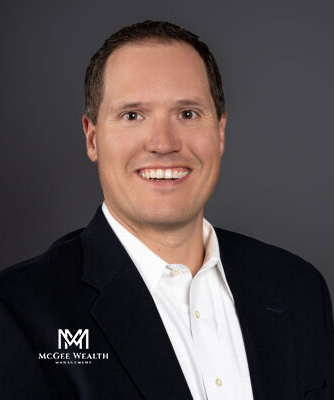
Michael W. McGee, Jr., CFP®, CPA, JD
Michael W. McGee Jr., CFP®, CPA, JD, is the Director of McGee Wealth Management, a second‑generation wealth management firm based in Katy, Texas and serving clients nationwide. Building on the firm’s long-standing legacy, Michael leads with a clear mission: to help hardworking families and professionals make confident, well‑informed financial decisions that support the life they’re working to build. As a Certified Financial Planner® professional, attorney, and Certified Public Accountant, Michael brings a rare combination of tax expertise, legal insight, and comprehensive financial planning knowledge to every client relationship. Before joining McGee Wealth Management, he practiced taxation, estate planning, and probate law at a prominent Houston firm, advising high‑net‑worth families on complex financial and legal matters. This multidisciplinary background allows him to approach your financial life with clarity, precision, and a deep understanding of how each decision impacts the next. Michael works with professionals, retirees, and families who have built their wealth through discipline and consistency. His clients value straightforward guidance, proactive tax‑informed planning, and a long‑term partnership that helps them stay organized and prepared for life’s transitions. Whether you’re preparing for retirement, coordinating multi‑layered tax, investment, and estate considerations, or simply wanting to ensure you’re making the right moves today, Michael’s calm, strategic guidance helps you move forward with confidence At McGee Wealth Management, Michael’s approach is grounded in helping you build a secure, intentional financial future so you can focus on what matters most; your family, your career, and the life you’re working hard to create. Michael holds a Juris Doctor from the University of Houston Law Center and is an active member of the State Bar of Texas, the Houston Bar Association, and the Texas Society of Certified Public Accountants. He and his wife, Jennifer, live in Fulshear with their three children. Outside the office, you’ll find him spending time with his family or enjoying the outdoors hunting, fishing, and golfing.
When families think about passing down wealth, the conversation often centers on numbers: tax brackets, exemptions, and valuations. But when wealth is tied up in a business, a farm, or a ranch, the conversation shifts. It becomes about people, relationships, and the future of something that carries meaning far beyond its balance sheet.
Parents want to be fair. They want to show love equally to all their children. Yet in estate planning, “equal” and “fair” are not always the same thing. And when businesses or land are involved, treating everyone the same can sometimes create more conflict than harmony.
Businesses: Equal Shares, Unequal Roles
Imagine a family business where one child has spent years working side by side with their parents, learning the ropes, making sacrifices, and carrying responsibility. The other children chose different careers. When the time comes to pass down ownership, many parents default to equal shares. On paper, that looks fair. In practice, it can be anything but.
- The child running the business may feel frustrated that siblings who never contributed now hold the same power.
- Voting rights can become tangled. Non-working heirs may outvote the sibling who actually manages the company.
- The child working in the business may feel they are enriching others while shouldering all the risk and effort.
These are not abstract problems. They show up in boardrooms, family gatherings, and courtrooms. Families often overlook these dynamics until it’s too late.
A Practical Approach
One way forward is to ask: does the family have enough other assets to balance things out? If the business is left to the children who are actively involved, other heirs might receive real estate, investment accounts, or insurance proceeds. This way, fairness is preserved without jeopardizing the health of the business.
The lesson is simple: equal division is not always the best path. Estate planning should reflect the reality of who is involved, who carries responsibility, and how the enterprise can thrive for the next generation.
Farms and Ranches: Heritage Meets Hard Choices
Family farms and ranches carry a different kind of weight. While family farms and ranches may or may not be an actual business; they are symbols of heritage and identity. Parents often believe that leaving the land to all children in equal shares will keep the family united. In reality, it often does the opposite.
Some heirs may want to keep the property while others may want to sell. Financial situations vary, and those who wish to hold on may not have the resources to buy out siblings. What begins as a gesture of unity by the parents can quickly turn into division.
Structuring Ownership
One solution is to transfer ownership into an entity, such as an LLC, during the parents’ lifetime. This allows the parents to set clear rules for management and decision-making. But the company agreement must be tailored to the family. Boilerplate language rarely works.
For example, if three siblings inherit equal shares, requiring a 70% vote for major decisions effectively means unanimity. That structure can paralyze the group, as one sibling can block any action. Instead, the agreement should reflect the ownership percentages and establish thresholds that allow decisions to move forward without forcing consensus every time.
By customizing the agreement, families can reduce conflict and preserve both the property and the relationships tied to it.
Shared Lessons
Whether the asset is a business, a farm or a ranch, the themes are strikingly similar:
- Equal is not always fair. Treating children identically may feel right emotionally, but it can create practical problems.
- Talk early, talk often. Parents should discuss their intentions with children before finalizing plans. Surprises after death often lead to disputes.
- Structure matters. Tools like LLCs, trusts, and buy-sell agreements can provide clarity and flexibility.
- Act during life. Be proactive. Waiting until death to simply let the children “figure it out” leaves heirs with limited options. Acting during life gives parents control and helps children prepare.
What It All Means
Estate planning for families with businesses, farms or ranches is not just about dividing assets. It’s about protecting legacies and relationships. Parents want to be remembered for fairness, not for sparking conflict. That requires moving beyond assumptions and crafting plans that reflect the real dynamics of the family.
The future of a business, farm or ranch depends not only on financial assets but on the strength of family ties. With proactive planning, families can preserve both — ensuring that what they built continues to thrive, and that the bonds between siblings remain intact.
This article was originally published in the January 2026 edition of Investor Magazine.
Certified Financial Planner Board of Standards Center for Financial Planning, Inc. owns and licenses the certification marks CFP® in the United States to Certified Financial Planner Board of Standards, Inc., which authorizes individuals who successfully complete the organization’s initial and ongoing certification requirements to use the certification marks.
